
Young Adults Call on Church to Listen, Build Authentic Community
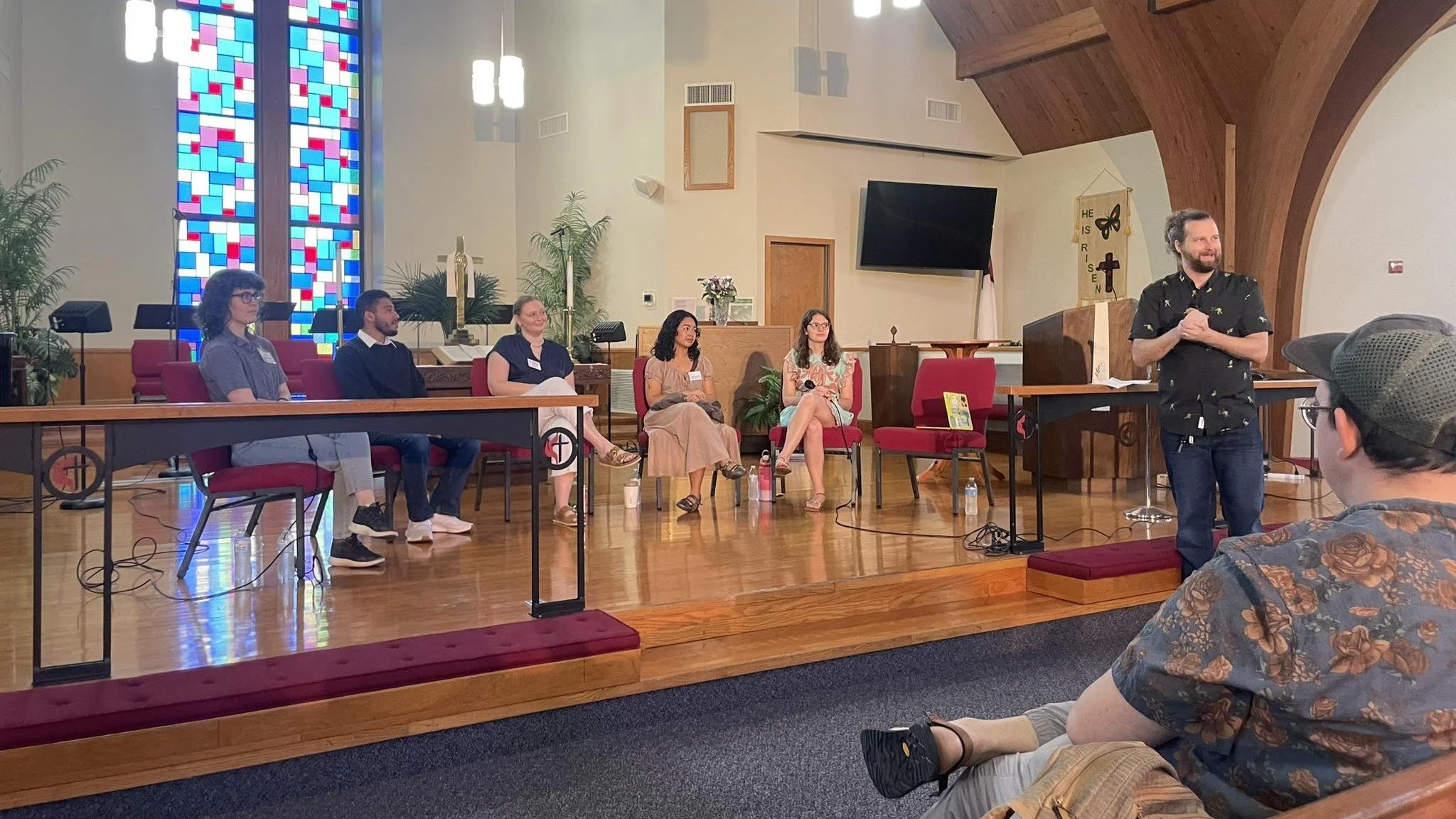
Leaders from the Mid-South and South Districts gathered April 25 at Hillside United Methodist Church for a listening session centered on young adults and their relationship with the church.
The event featured a panel of young adults ages 22 to 26 who spoke candidly about what draws them to — and keeps them from — church communities. Their accounts, while personal, surfaced recurring themes around belonging, authenticity and trust.
Panelists described the church at its best as a place of genuine welcome, grace and open inquiry. They said they were drawn to congregations that demonstrated faith through action rather than programming, and where authentic relationships, not simply invitations, helped them feel they had a place.
"Young adults are drawn to churches that are clear about who they are and what they stand for," one takeaway from the discussion noted.
Panelists also spoke about barriers that prevent many peers from entering church life at all. Those included fear of judgment, past experiences of harm in religious settings, perceptions of hypocrisy and a lack of intentional spaces designed for young adults. Several noted that a church's online presence — its website, leadership representation and streamed worship — often shapes their first impression before they visit in person.
Panelists expressed that many young adults are not disconnected from spirituality, they are disconnected from institutions that no longer feel safe or trustworthy.
Following the panel, Emily Frantz led a workshop drawing from Acts 27 to 28, in which Paul and shipwreck survivors are rescued by the people of Malta. Frantz offered the story as a reframe: rather than trying to bring young adults back to existing church structures, congregations might consider how God is working through young adults to renew the church itself.
Participants then examined challenges common among young adults — job insecurity, mental health struggles and social isolation — and explored how churches might respond through what organizers called a "ripple effect" exercise. The session emphasized that small, intentional relationships can produce lasting change.
Organizers said the gathering was intended not as a strategic session, but as a model for a different kind of engagement.
"The question before us is no longer just, 'How do we get them back?'" organizers noted, "but 'Are we willing to listen — and be changed?'"
Rev. Jen Chickering, children and youth area coordinator, Belton, contributed to this story.